A standard with a supply problem
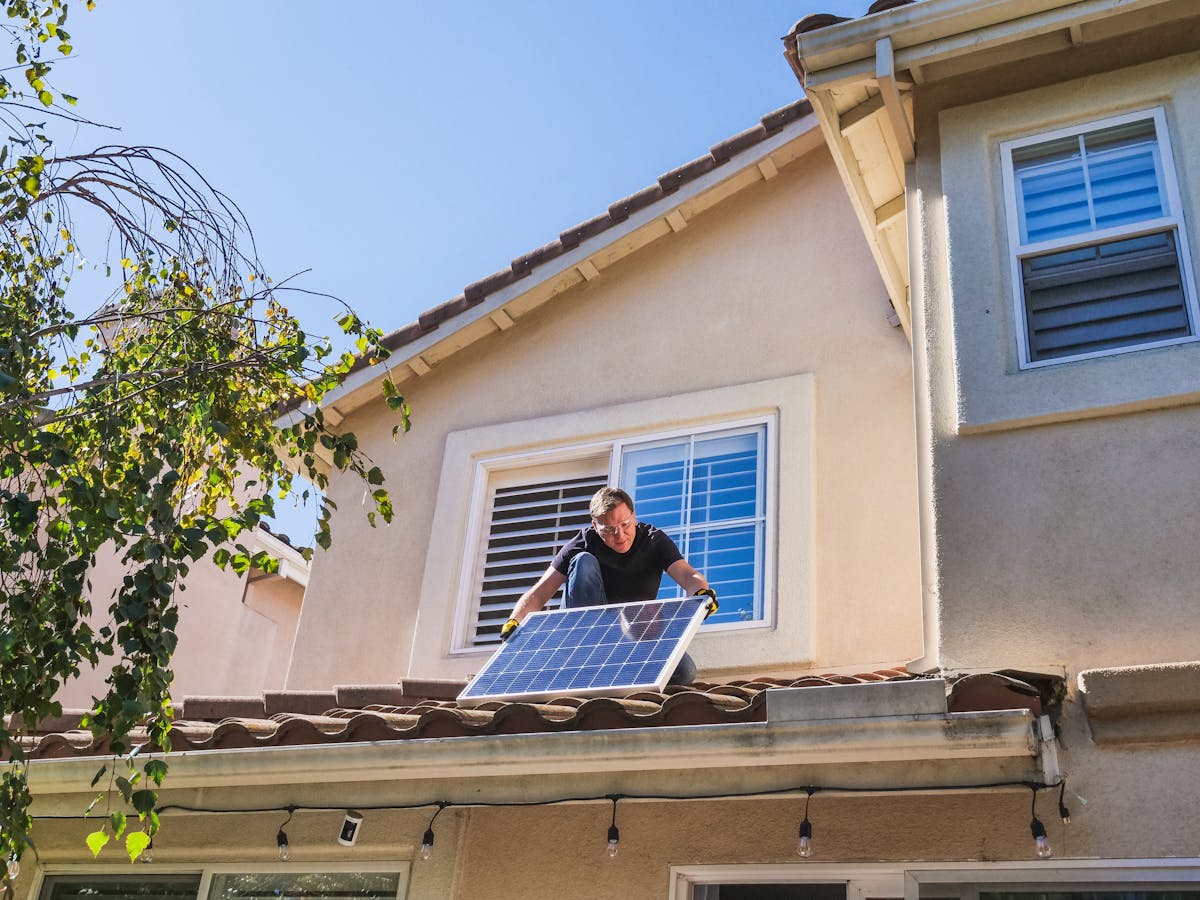
The direction of travel has been public since the Future Homes and Buildings Standards consultation: new homes built to dramatically higher energy standards, with rooftop solar expected on the great majority of them. For an industry that treated PV as an optional extra on premium plots, that is a step change in volume. Across the Midlands — where the housing pipeline stretches from the Birmingham and Coventry growth corridors out through Warwickshire, Leicestershire and the East Midlands freight belt — the question on procurement desks is no longer whether to fit solar but whether the installer base can keep pace with the plots. The region delivers tens of thousands of new homes a year, and under the incoming rules every one of them becomes a small generating asset to be specified, procured and certified.
It is a fair question. The same installers being courted for new-build frameworks are also riding a domestic retrofit boom, fuelled by the 0% VAT rate on home installations that runs until March 2027. Retrofit pays well and pays now; new-build contracts pay on volume and programme. Developers are competing for capacity, not just price.
How the volume builders are responding
The larger housebuilders moved first, and a recognisable playbook has emerged across the region: framework agreements with regional MCS-certified installers, locking plot rates and crew availability across multiple sites and seasons; direct procurement of panels and inverters, with installation partners supplying labour and certification rather than materials; roof standardisation, with fewer roof forms per site and panel layouts fixed at the design stage instead of improvised plot by plot; upskilling existing roofing subcontractors towards integrated in-roof PV, which suits new-build aesthetics and sequencing; and early engagement with distribution network operators on multi-plot connections, before phase programmes are committed. None of this is glamorous. All of it is the difference between a compliant site and a stalled one when the transition deadlines bite.
The regional installer's moment
For the Midlands' established solar firms, the standard is the largest commercial opportunity in a decade — but only for those built to take it. New-build work demands programme discipline, repeatable installation details, CDM competence and the patience to price hundreds of identical plots thinly rather than one bespoke roof generously. The firms winning frameworks are the ones that can sit in a developer's pre-start meeting and talk sequencing with the trades, not just kit on the roof. There is a quality dimension too. New-build solar that is designed in — cable routes planned through the build, in-roof trays sequenced with the tilers, consumer units specified for generation from the outset — costs less and performs better than panels bolted on after practical completion. Developers who involve their installer at design stage are buying that difference.
Coventry as a centre of gravity
Geography is doing some of the sorting. Sat at the heart of the motorway network, Coventry puts an installer within an hour of most of the region's active development corridors, which is precisely the reach a multi-site framework needs. It is the logic behind operations like Midland Solar's Coventry operation — a regional firm positioned where the plots are, with the local crews that volume programmes depend on. Expect developers to shortlist on postcode as much as on price over the next eighteen months; a cheap installer two counties away is an expensive one once programme slippage is counted.
What smaller developers should do now
SME housebuilders cannot run national frameworks, but they can borrow the logic. Book installer capacity at land-purchase stage rather than pre-start; standardise roof details across the site so crews price certainty instead of risk; and treat the DNO conversation as a critical-path item, because a multi-plot connection application lodged late will hold up completions no installer can rescue. Mixed-use schemes have an extra angle worth working: the commercial units and site facilities carry their own solar case, with capital allowances rather than building regulations driving the numbers — ground covered well in the commercial rooftop guides at Solar Panels for Businesses. See also our developer hub and bulk procurement pricing.
The 2027 horizon
Transitional arrangements give the industry a runway, not an exemption. Plots commenced after the cut-off dates will need to comply, and the developers who treated 2026 as the year to secure installers, standardise designs and lodge connections will build through 2027 at planned cost. Those who left PV as a line item for the buyer to resolve will discover what every supply chain eventually teaches: capacity booked early is cheap, and capacity bought in a squeeze is not. The parallel with the materials shortages of previous building cycles is exact — standards create demand spikes, supply chains lag, and the firms that contracted early built through the squeeze while everyone else paid spot prices. In the Midlands, this one is already visible from the procurement desk.