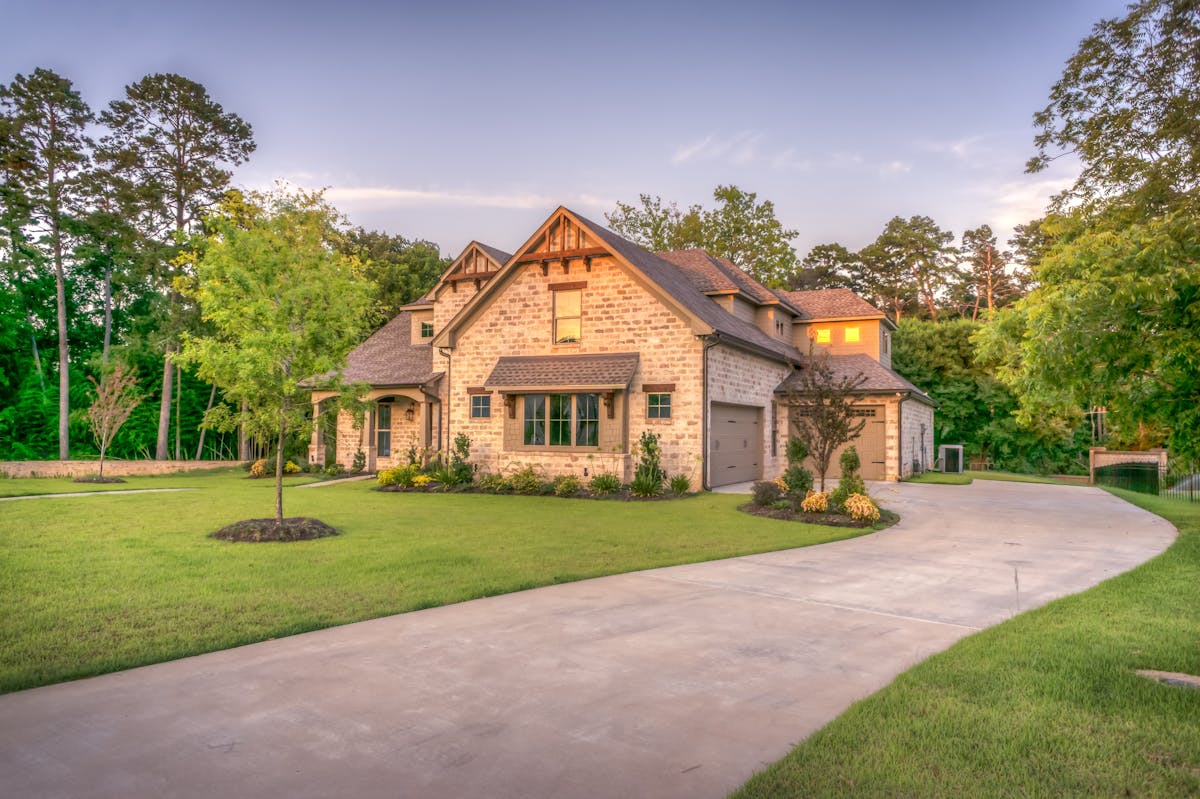
Buying a new build in 2027: will it have a gas boiler? — UK new build solar PV installation
Heating · 5 min read · 26 Sep 2026

Buying a new build in 2027: will it have a gas boiler?

Why some new homes finished in 2027 and 2028 will still have gas boilers, how the transitional rules apply plot by plot, and the questions to ask a developer.

From 24 March 2027, gas boilers are in effect banned in new homes in England, because the Part L 2026 targets cannot be met by a home heated with gas. Yet some new homes completed in 2027 and 2028 will still have one. If you are buying a new build over the next two years, this is why, and how to find out what you are getting. For the rules themselves, see the guide to gas boilers banned in new builds.

Why some 2027 and 2028 homes still have boilers

The new rules do not apply where a building notice, initial notice or full plans application was given to building control before 24 March 2027, provided work on that building starts before 24 March 2028. Homes in that position can be built to the previous standard, gas boiler included. The protection is assessed building by building, so it is plot-specific.

Phased sites can mix both

On a large development built in phases, the early plots may fall under the transitional rules while later plots, started after the deadline, are built to Part L 2026 with heat pumps and solar PV. Two similar houses on the same street can end up with different heating systems.

Apartment blocks and higher-risk buildings

For higher-risk building work, such as taller blocks of flats, the Part L 2026 changes take effect later, on 24 September 2027. They do not apply where a valid building control approval application was submitted to the Building Safety Regulator before that date and has not been rejected.

Questions to ask the developer

Which edition of Part L the plot is being built to. What heating system it will have, and whether solar PV is included. For an off-plan purchase, the predicted energy assessment, which shows the expected energy rating before completion. At handover, the EPC, the MCS certificate for any solar, and the heat pump's operating and maintenance information.

If your new build does have a gas boiler

Gas boilers are not being banned in existing homes: the Warm Homes Plan published in January 2026 did not bring in the previously proposed ban on new gas boilers after 2035, so you can keep and replace it. If you later switch to a heat pump, the Boiler Upgrade Scheme currently pays £7,500 towards an air source or ground source heat pump. New builds that a developer is still building are not eligible, but GOV.UK says that if you move into a finished new build with a fossil fuel boiler, you may be able to get a grant for a heat pump under the scheme.


40% of ground floor area
PV / ground floor area
Mar 2027
FHS in force
75%
CO₂ vs 2013 baseline
£4,350 per dwelling
Per-plot premium (2025 prices, FHS Impact Assessment)
For developers and housebuilders

Buying a new build in 2027: will it have a gas boiler? on volume new-build programmes

On a multi-plot programme, settle four things at procurement: the per-plot price and how it moves with inflation; whether the array is modelled in the SAP 10.3 calculation for every house type; what your structural warranty provider needs to see for roof-integrated PV; and who issues the MCS certificate at handover, since buyers need it to claim Smart Export Guarantee payments.

For self-builders and architects

Buying a new build in 2027: will it have a gas boiler? for one-off custom builds

On a one-off build the array is easiest to settle at RIBA Stage 2 or 3, while the roof geometry is still open. Your SAP assessor models the system for the Part L submission, your building control body signs it off, and PV installed as part of constructing a new dwelling is zero-rated for VAT under HMRC Notice 708.

How this fits into the FHS compliance pathway

Every FHS-compliant new build passes three regulatory gates. Buying a new build in 2027: will it have a gas boiler? sits mainly in the second, design-stage Part L compliance, but it affects building control sign-off and the handover documents too:

  1. 1
    Planning permission Solar PV designed into a new dwelling is normally covered by the dwelling's own planning permission. Conservation areas, Article 4 directions and plots within the curtilage of a listed building need extra planning evidence, usually prepared by the architect or planning agent.
  2. 2
    Building control: Part L compliance SAP 10.3 is the compliance calculation at FHS launch. The dwelling's emission and primary energy rates must meet their targets, with the PV array, heat pump, fabric U-values and air permeability all entered. The SAP assessor prepares the design-stage and as-built calculations that building control reviews.
  3. 3
    Completion: certificates and handover The MCS certificate (needed for Smart Export Guarantee payments), the Energy Performance Certificate and the homeowner's handover documents. If your structural warranty provider has requirements for roof-integrated PV, confirm them before the roof goes on.

For a fuller walkthrough of the compliance process, see the Part L 2026 guide and the FHS PV calculator, which sizes a compliant array from your ground floor area.

FHS in force from 24 March 2027

Get a quote for FHS-compliant solar

Share your plot details and a solar installer can price a system sized to the Part L 2026 notional dwelling, with PV area equal to 40% of the ground floor area. There is no obligation to go ahead.

  • ✓ Sized to the 40% ground-floor-area rule
  • ✓ For developer programmes and one-off self-builds
  • ✓ Check any installer against the MCS register before you sign

Request a quote

A few details about the plot help an installer price it accurately.

By sending this form you agree to our privacy policy. Your details may be passed to a solar installer so they can respond.