Solar panels for new builds in Bristol
How the Future Homes Standard applies to new homes in Bristol: sizing solar PV to the 40% rule, the local development context, and the checks to make before you appoint an installer.
The new-build market in Bristol
Regeneration sites include the former Filton Airfield (Brabazon) and Lockleaze.
From 24 March 2027, every new dwelling commenced in Bristol must comply with Part L 2026 of the Building Regulations — the Future Homes Standard. That means solar PV at 40% of ground floor area coverage, an air source heat pump (fossil-fuel boilers cannot meet the carbon targets), and airtightness tightened to 4.0 m³/(h·m²) in the notional dwelling. Homes on Bristol's Local Plan allocations that commence after the transitional period will be built to this specification.
What developers in Bristol should settle early
- The per-plot price and how it moves with inflation, agreed at procurement rather than at handover.
- In-roof or on-roof: in-roof arrays replace the tiles they cover, so the roofer and the solar installer need one programme.
- SAP 10.3 modelling for every house type, by an accredited energy assessor, before the Part L submission.
- What your structural warranty provider requires for roof-integrated PV, confirmed before the roof goes on.
- MCS certification for the installer and the products, which homeowners need to claim Smart Export Guarantee payments.
Self-build solar in Bristol
For a one-off custom build, the array is easiest to settle at RIBA Stage 2 or 3, while the roof design is still open, so that the architect, the SAP assessor and the installer work from the same drawings. PV installed as part of constructing a new dwelling is zero-rated for VAT under HMRC Notice 708, which is one reason it costs less at build stage than as a retrofit. The self-build guide covers the sequence in detail.
Planning and Building Control in Bristol
Solar PV designed into a new home is normally consented with the dwelling. In a conservation area or within the curtilage of a listed building, check the planning position with the local planning authority for Bristol before fixing the roof design. For Building Control, SAP 10.3 is the compliance calculation at FHS launch; the Home Energy Model has been postponed and is not yet an approved route.
Where the 40% PV area cannot physically fit, for example on a heavily shaded infill plot, the dwelling still has to meet its emission and primary energy targets, so the SAP assessor will look at other measures. Raise it at design stage, not at completion.
What an FHS-ready new build in Bristol looks like
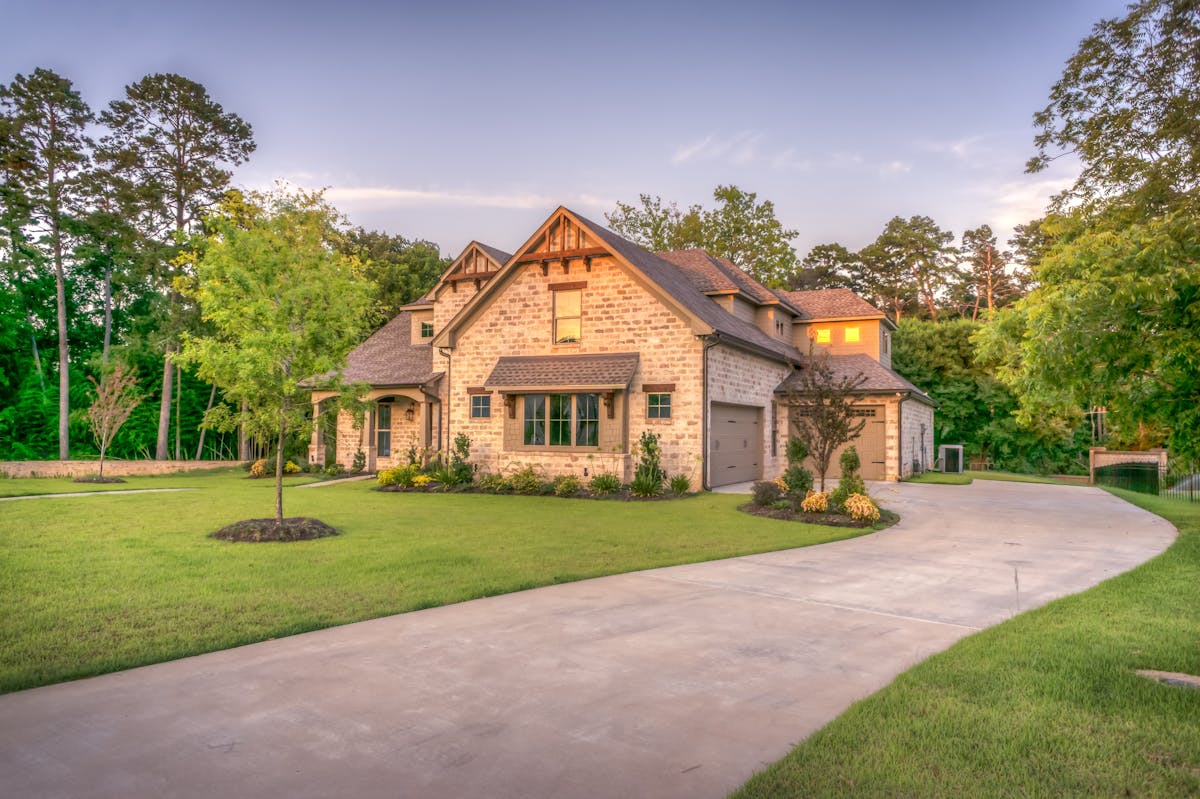
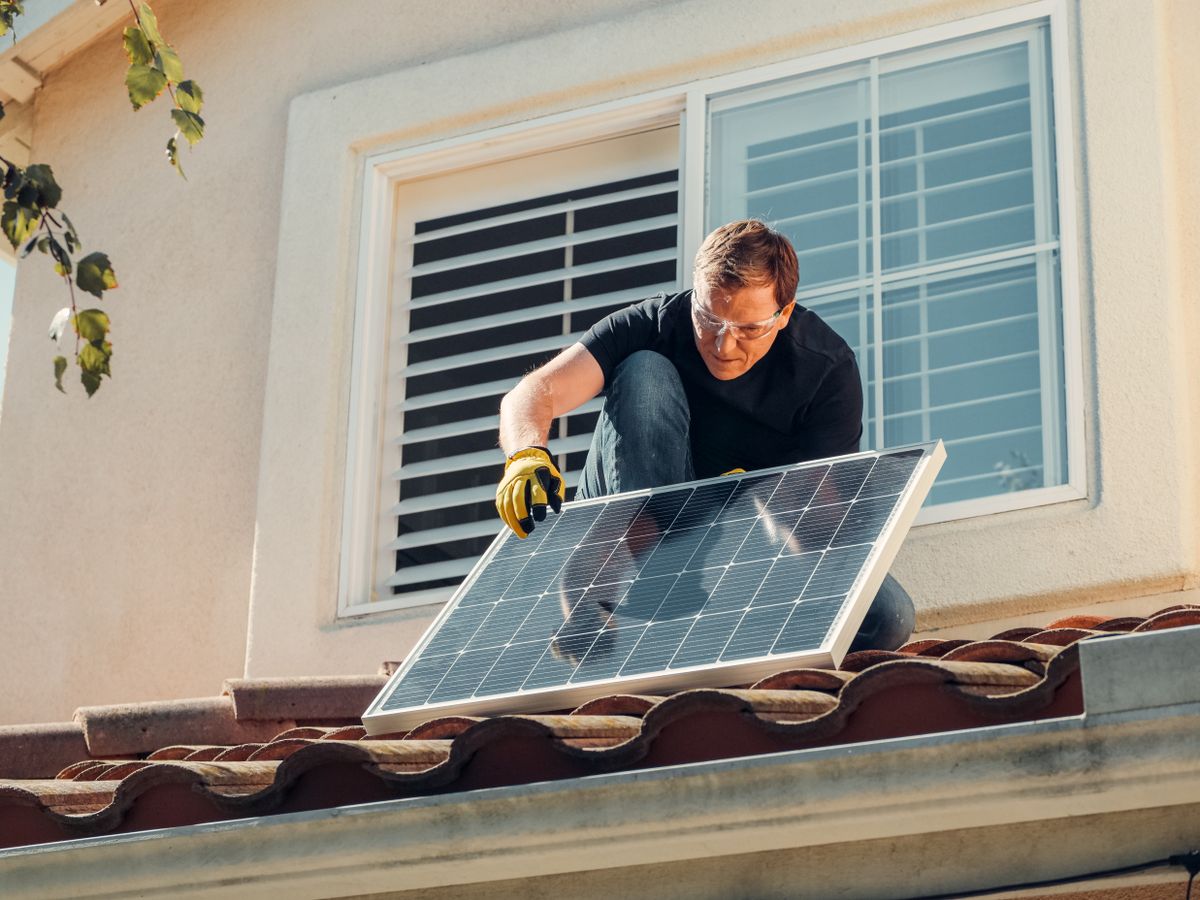
The five technologies that typically make up an FHS-ready home, from in-roof PV to EV charging.



New-build solar technologies explained
Guides to the main systems specified on new homes.
In-Roof Solar Integration
How in-roof PV is built into the roof during construction, and why it is the usual specification on FHS-compliant new builds.
Learn more →Building Integrated Photovoltaics (BIPV)
Solar tiles, solar slates and PV-glass facades: when BIPV makes sense on a new build and what to check.
Learn more →SAP & HEM Compliance Modelling
What SAP 10.3 compliance modelling involves for a new build, and where the Home Energy Model fits.
Learn more →Developer Procurement Packages
How per-plot procurement of solar, batteries and heat pumps works across a whole site, and what the price should include.
Learn more →New-build solar in Bristol on volume new-build programmes
On a multi-plot programme, settle four things at procurement: the per-plot price and how it moves with inflation; whether the array is modelled in the SAP 10.3 calculation for every house type; what your structural warranty provider needs to see for roof-integrated PV; and who issues the MCS certificate at handover, since buyers need it to claim Smart Export Guarantee payments.
New-build solar in Bristol for one-off custom builds
On a one-off build the array is easiest to settle at RIBA Stage 2 or 3, while the roof geometry is still open. Your SAP assessor models the system for the Part L submission, your building control body signs it off, and PV installed as part of constructing a new dwelling is zero-rated for VAT under HMRC Notice 708.
How this fits into the FHS compliance pathway
Every FHS-compliant new build passes three regulatory gates. New-build solar in Bristol sits mainly in the second, design-stage Part L compliance, but it affects building control sign-off and the handover documents too:
- 1 Planning permission Solar PV designed into a new dwelling is normally covered by the dwelling's own planning permission. Conservation areas, Article 4 directions and plots within the curtilage of a listed building need extra planning evidence, usually prepared by the architect or planning agent.
- 2 Building control: Part L compliance SAP 10.3 is the compliance calculation at FHS launch. The dwelling's emission and primary energy rates must meet their targets, with the PV array, heat pump, fabric U-values and air permeability all entered. The SAP assessor prepares the design-stage and as-built calculations that building control reviews.
- 3 Completion: certificates and handover The MCS certificate (needed for Smart Export Guarantee payments), the Energy Performance Certificate and the homeowner's handover documents. If your structural warranty provider has requirements for roof-integrated PV, confirm them before the roof goes on.
For a fuller walkthrough of the compliance process, see the Part L 2026 guide and the FHS PV calculator, which sizes a compliant array from your ground floor area.
Get a Bristol new-build solar quote
Share your plot details and a solar installer can price a system sized to the Part L 2026 notional dwelling, with PV area equal to 40% of the ground floor area. There is no obligation to go ahead.
- ✓ Sized to the 40% ground-floor-area rule
- ✓ For developer programmes and one-off self-builds
- ✓ Check any installer against the MCS register before you sign
Request a quote
A few details about the plot help an installer price it accurately.