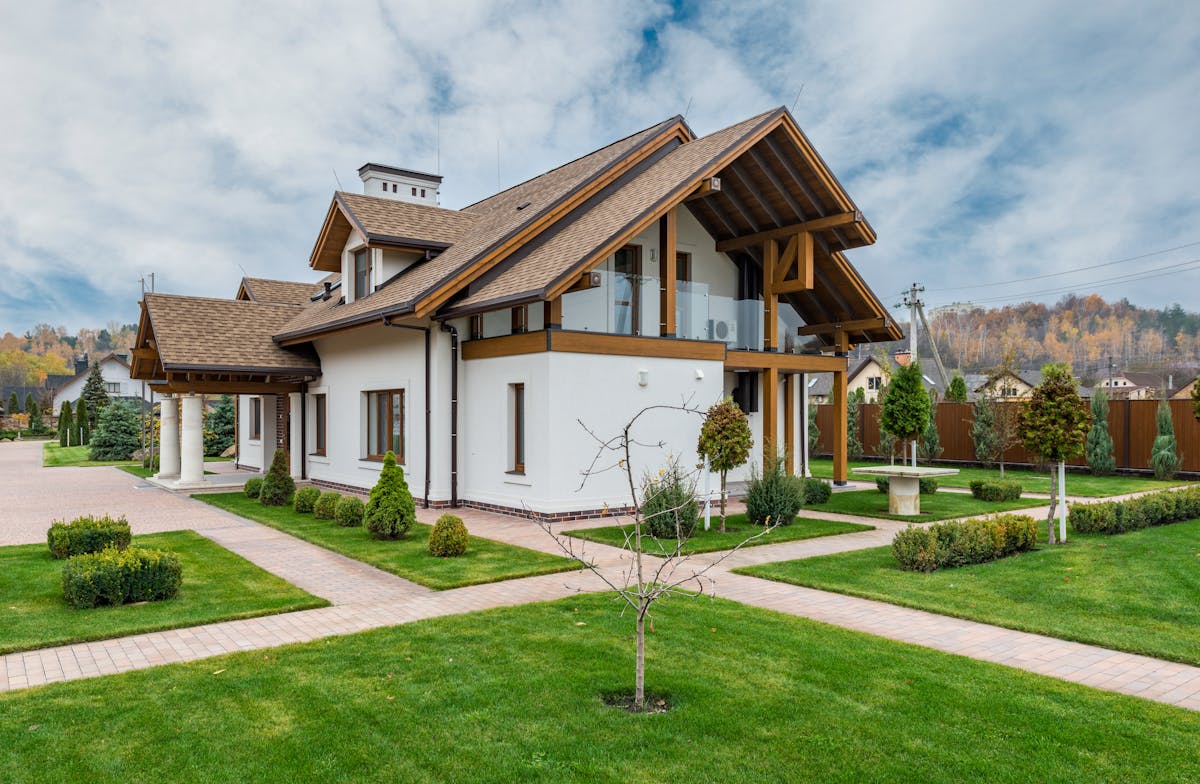
Yorkshire covers four very different housing markets: North Yorkshire, run by a single unitary council since April 2023 alongside the City of York; the West Yorkshire metropolitan districts around Leeds and Bradford; the South Yorkshire districts around Sheffield and Doncaster; and the East Riding and Hull. The Future Homes Standard applies uniformly across them from 24 March 2027, so the practical differences come from local planning policy, grid capacity and the mix of volume sites and one-off plots.
Growth schemes across Yorkshire
Some of the larger schemes named in local plans and regeneration programmes across the county. Homes on them that commence after the transitional period will be built to the Future Homes Standard.
- York Central
- City Fields (Wakefield)
- Aire Park (Leeds)
- Olympia Park (Selby)
- Former Doncaster Sheffield Airport site
Local Plan & policy context
Each district or unitary authority runs its own Local Plan, and several carry renewable energy or carbon policies that go further than national Building Regulations. Check the current adopted plan and any sustainable construction supplementary planning document for your site before fixing the specification, because a Local Plan policy can ask for more generation than the Part L notional dwelling.
Towns across Yorkshire
FHS in Yorkshire: what makes this county different
Yorkshire housebuilders face the same deadlines as the rest of England: the Future Homes Standard applies to work that has not reached the transitional threshold by 24 March 2027, with the transitional period ending on 24 March 2028. Two local factors are worth checking early. First, plots inside the Yorkshire Dales or North York Moors National Parks are determined by the national park authority, which will look closely at how visible a roof array is. Second, grid capacity varies by area, so ask the network operator (Northern Powergrid across most of Yorkshire) about connection capacity for heat pumps and PV on larger sites before the layout is fixed.